Objectives
To guide the management of patients at risk of aspirin or other salicylate poisoning.
Scope
This guideline describes the initial risk assessment, investigation and management of patients who may have been exposed to a potentially toxic dose of salicylates, including aspirin.
Audience
This guideline is intended for the use of registered healthcare professionals fulfilling a general role in a forward medical locations or in an Emergency Department on deployed operations.
Initial Assessment & Management
The deployed management of salicylate overdose differs from normal practice in a civilian or Firm Base settings due to the lack of deployed salicylate assays and limited access to other blood investigations.
Salicylates are highly toxic in large overdoses causing acid-base disturbance, pulmonary oedema, renal failure, central nervous system dysfunction and cerebral oedema.
Poisoning may occur from both ingestion and skin exposure for some topical preparations.
Plasma salicylate concentrations are used to target treatment of salicylate toxicity. In forward medical locations, evacuation to a location able to provide recurrent plasma salicylate concentration should be performed.
Sources of salicylates:
- Oral preparations e.g. aspirin (anti-inflammatory and antipyretic), bismuth subsalicylate (antacids), choline salicylate (Bonjela oral gel).
- Topical preparations e.g. salicylic acid, methyl salicylate (Oil of Wintergreen), sodium salicylate, glycol salicylate.
- The potential toxicity of essential oils should not be underestimated - for example, Oil of Wintergreen is 98% methyl salicylate: one 5 ml teaspoon is equivalent to approximately 7 g of salicylate.
Toxic Dose: For single ingestions (not chronic accumulation), adults and children who have ingested less than 125 mg/kg salicylate AND are not symptomatic do not require further assessment (unless other agents involved).
Observation period: Asymptomatic patients with a normal acid-base status (both respiratory and metabolic) can be considered for discharge 12 hours after ingestion. Any concern regarding subtle clinical features e.g. tinnitus or increased respiratory rate, and the patient should be observed for a further 6 hours.
Clinical features:
Early vomiting or any signs of neurotoxicity are concerning of a serious overdose.
- Mild poisoning: nausea, vomiting, tinnitus, deafness, lethargy, dizziness
- Moderate poisoning: Tachypnoea and hyperventilation, dehydration, restlessness, sweating, bounding pulses and warm peripheries. Respiratory alkalosis at lower salicylate concentrations and in the early phase of more severe poisoning. Metabolic acidosis may also be present at higher salicylate concentrations.
- Severe poisoning: cardiac dysrhythmias, acute non-cardiogenic pulmonary oedema, confusion, , convulsions, cerebral oedema coma, hyperpyrexia, heart failure, renal failure and worsening metabolic and lactic acidosis.
- Acid-Base changes: Early respiratory alkalosis results from direct stimulation of the medullary respiratory centre. A concurrent metabolic acidosis may be present with a normal or raised pH. A high anion gap (see below) is usually present in severe cases although very high salicylate concentrations may cause falsely high chloride concentrations on some analysers resulting in an apparently normal or low anion gap. Children aged 4 years or less may not develop respiratory alkalosis.
- Hypoglycaemia / hyperglycaemia may both occur. Low cerebrospinal fluid glucose concentration (hypoglycorrhachia) may occur despite normal blood glucose concentrations.
- Other features: Haematemesis, hypokalaemia, thrombocytopenia, transient proximal tubular dysfunction, ketonemia, increased INR, disseminated intravascular coagulation.
The absorption of ingested salicylates may be slowed by delayed gastric emptying and bezoar formation (particularly in enteric coated preparations) resulting in delayed toxicity. In overdose the half-life of salicylates may be prolonged to 15-30 hours or longer.
Management in Forward Medical Locations
The effective management of patients with salicylate poisoning requires serial blood tests (e.g. blood gasses and salicylate levels), 12-lead ECGs and specific medications. Many of these measures are not routinely available in forward medical locations.
If a patient with suspected salicylate poisoning presents to a forward medical location, prioritise:
Initial assessment and resuscitation following an ABCDE/MARCH approach
Rapid evacuation to a healthcare setting where blood gases, ECG analysis, serum salicylate levels can be performed +/- critical care interventions can be initiated.
Advanced Assessment & Management
The management of patients with suspected salicylate poisoning requires monitoring, investigations and treatment usually only available in deployed hospital locations.
Bloods
Take bloods for FBC, U&E, LFTs, PT and blood gases.
ECG
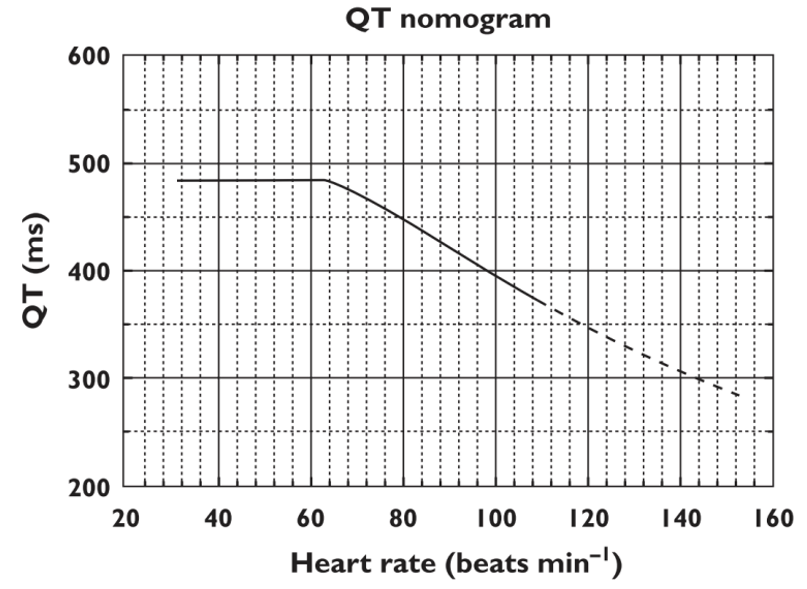
Perform a 12 lead ECG on all patients requiring assessment. Consider repeating the ECG at regular intervals to identify evolving abnormalities (see Management of ECG Abnormalities below).
Management in deployed hospital locations
Plasma salicylate concentrations are used to target treatment of salicylate toxicity.
Activated Charcoal
Consider administration of activated charcoal (adults: 50 g; children: 1 g/kg) if 125 mg/kg or more salicylate, or any amount of methyl salicylate AND within one hour of ingestion. Activated charcoal should only be administered if the patient’s airway is protected and not at risk of aspiration.
Additional doses of activated charcoal may be warranted if the patient’s clinical condition worsens following large ingestions of enteric coated preparations in which absorption may be delayed. In these circumstances give activated charcoal (50 g for adults; 1 g/kg for children) every 4 hours by mouth or nasogastric tube. If vomiting is a problem, smaller amounts of charcoal hourly or every 2 hours may cause less gastric irritation. If available reach back advice should be sort prior to the administration of additional activated charcoal doses.
Stop oral activated charcoal if any of the following criteria are met:
- There is evidence of ileus.
- Severe clinical features and/or high plasma concentration have resolved.
- Review need for activated charcoal after 4 doses (including initial dose to prevent absorption, if administered), and sooner if clinical features resolve or exposure is less severe.
Intubation and ventilation
Avoid intubation and mechanical ventilation unless there is evidence of respiratory failure (worsening respiratory acidosis, severe hypoxia). Loss of hyperventilatory drive can result in sudden deterioration and death.
If intubation is unavoidable aim to minimise compromise to ventilatory drive from neuromuscular blockade and sedation. Anticipate complex ventilatory management.
Hypokalaemia
Correct hypokalaemia urgently to reduce the risk of severe hypokalaemia if bicarbonate therapy is subsequently required.
Intravenous fluids
Fluid losses may be substantial and should be managed with IV fluids.
Metabolic acidosis
Once potassium in normal range, administer sodium bicarbonate to correct metabolic acidosis (aim pH 7.5 – 7.6) and reduce the transfer of salicylates into the central nervous system and hence reduce toxicity.
- Adults: 8.4% Sodium bicarbonate 50-100 mL (or 1.26% 333-667 mL) IV over 30 minutes.
- Children: 1mmol/kg as either:
- 1 mL/kg 8.4% sodium bicarbonate diluted to 1 in 4 e.g. 10 mL 8.4% bicarb diluted to 40 mL with 5% glucose (resulting solution is 0.25 mmol / mL) over 30-60 minutes.
- 1.26% (0.15 mmol / mL) sodium bicarbonate 7 mL/kg undiluted over 30-60 minutes.
- Both can be given peripherally.
Urinary alkalinisation
The elimination of salicylates is increased by alkalinisation of the urine and may reduce CNS toxicity. Consider urinary alkalinisation if there are signs of moderate or severe poisoning in adults and children.
Aim for urinary pH 7.5-8.5 using the regimen below:
- Adults: Give 225 mmol sodium bicarbonate:
- 1.5 L of 1.26% over two hours
OR
- 225 mL of 8.4% over one hour.
- Children: 2-5 mL/kg 8.4% sodium bicarbonate diluted to 1 in 4 with 5 % glucose e.g. 50 mL 8.4% bicarb diluted to 200 mL, administered over one hour.
Undiluted 8.4% sodium bicarbonate is irritant to veins and can rarely cause local necrosis in extravasation. Administer into a large vein (or centrally if possible). Boluses should be preceded and followed by a large flush.
Check urinary pH AND blood pH, sodium and potassium hourly.
Maintain plasma potassium at 4-4.5 mmol/L and avoid excessive systemic alkalinisation whilst maintaining urinary alkalinisation.
Further doses of sodium bicarbonate may be required to achieve and maintain a urinary pH of greater 7.5.
The decision to stop urinary alkalinisation should ideally be based on the plasma salicylate concentration. If unable to evacuate to a location with able to measure plasma salicylates urinary alkalinisation should be continued until the patient is asymptomatic When alkalinisation is stopped a rebound can occur in plasma salicylate concentrations and resulting symptoms.
Monitor the patient for a minimum of six hours after ceasing urinary alkalinisation and restart treatment if symptoms reoccur.
Forced diuresis does not increase salicylate excretion, may cause pulmonary oedema, and should not be used.
Haemodialysis
Haemodialysis is the treatment of choice in severe salicylate poisoning. If possible, patients should be evacuated to a location able to provide haemodialysis or hemodiafiltration if they have metabolic acidosis, coma, are aged less then 10 years or over 70 years.
Hyperthermia
Salicylates can result in hyperpyrexia. If the peripheral temperature is greater than 38.5°C consider core temperature monitoring and active cooling with ice packs, cooled IV fluids, cooled bladder lavage and ice baths.
Sedation and paralysis may be required in severe drug induced hyperthermia (>40°C). Caution should be taken in salicylate poisoning due to the loss of respiratory drive precipitating sudden deterioration.
Convulsions
Seizures should be managed conventionally with benzodiazepines used the first line termination of prolonged seizures. Caution should be taken if benzodiazepines are used due to subsequent reduced ventilatory drive.
Pulmonary oedema
Salicylates can cause pulmonary oedema and acute lung injury which should be managed conventionally.
Paediatric Considerations
Manage children with suspected salicylate ingestion as per the guidance above.
Toxic Dose: For single ingestions (not chronic accumulation), adults and children who have ingested less than 125 mg/kg salicylate AND are not symptomatic do not require further assessment (unless other agents involved).